

Specific Peptide Guides
Epithalon: The "Telomerase" Peptide, What's Actually Proven
Epithalon gets called a telomere lengthening peptide, but almost all the research comes from one lab. Here is what is actually known.
September 9, 2026 4 min
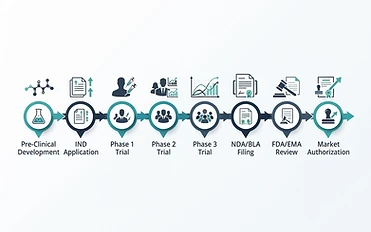
BPC-157 has changed legal status four times since 2022. Here is the real timeline, explained simply, with no hype.
Epithalon gets called a telomere lengthening peptide, but almost all the research comes from one lab. Here is what is actually known.

Redness or a small bump after a peptide injection, is that normal or a warning sign? Here is what the reactions actually mean.

New to peptides and lost in the jargon? Here is what peptides actually are, explained in plain words.

Reddit peptide communities have basically built their own checklist for vendors. Here is what actually separates a trustworthy source from a risky one.

Everyone in peptide communities calls BPC-157 plus TB-500 the Wolverine Stack. Here is where the name came from and what it does and does not mean.
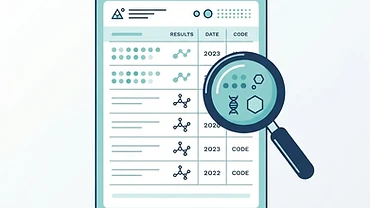
A COA can look like confusing lab paperwork. Here is how to actually read one and know what it is telling you.
Start here: clear, plain-language explainers on what peptides are, how they work, and the vocabulary researchers use.
Explore →Deep dives into individual compounds — their proposed mechanisms, the evidence behind them, and what's still unknown.
Explore →Head-to-head breakdowns of peptides that get confused or combined, so you can tell them apart and choose with clarity.
Explore →How researchers combine peptides, the logic behind common stacks, and the risks of mixing compounds.
Explore →What the literature reports about adverse effects, tolerability, and managing reactions.
Explore →Tracking the shifting legal status of peptides across jurisdictions, with updates as the rules change.
Explore →Practical, safety-first guidance on reconstitution, storage, and handling of research compounds.
Explore →How to evaluate suppliers, read certificates of analysis, and spot red flags when sourcing research peptides.
Explore →What's new and what's overhyped — emerging peptides, research breakthroughs, and industry developments.
Explore →Epithalon gets called a telomere lengthening peptide, but almost all the research comes from one lab. Here is what is actually known.
Everyone in peptide communities calls BPC-157 plus TB-500 the Wolverine Stack. Here is where the name came from and what it does and does not mean.
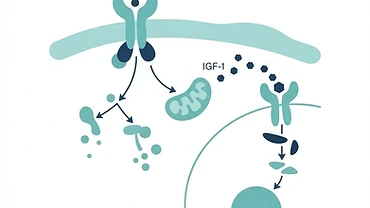
Some peptides raise IGF-1 levels in the body, and IGF-1 has a real link to cancer risk in research. Here is what the science actually says, without the scare talk.
BPC-157 gets called a miracle peptide online. Here is what the actual studies show, in plain words, with no hype.
One email when we publish a new article — peptide research, regulatory updates, and sourcing guides. No spam, unsubscribe anytime.
We store your email only to send updates. See our Privacy Policy.
We use analytics cookies to understand how the site is used. By continuing, you agree to our use of cookies. See our Privacy Policy.


